
An effective offshore operating model connects financial control, people management...

Business IT Support Services vs. In-House Teams: Which IT Support Model Scales Better for Global Enterprises?
The discussion around Business IT Support Services vs. In-House Teams has become increasingly important for enterprises operating across multiple locations, cloud ecosystems, hybrid work environments, and offshore teams.
For many organizations, IT support is no longer just a backend operational function. It directly affects productivity, cybersecurity readiness, uptime, employee experience, compliance management, and overall business continuity.
This is where operational complexity starts becoming visible.
An enterprise that once managed infrastructure comfortably with a small internal IT team suddenly finds itself supporting:
- distributed employees
- remote endpoints
- offshore development centers
- cloud infrastructure
- SaaS ecosystems
- global collaboration environments
- 24/7 operational expectations
At first, the strain appears manageable. Then response times begin slowing. Support tickets pile up. After-hours incidents become harder to resolve. Infrastructure visibility becomes fragmented across locations.
Most enterprises only recognize these operational gaps once expansion begins affecting day-to-day business continuity.
On paper, building a large internal IT department appears to offer stronger control. In reality, scaling enterprise support operations internally becomes significantly more complex as infrastructure grows across regions and time zones.
This is one reason many organizations now evaluate outsourced business IT support services alongside internal IT operations.
Modern managed IT providers are no longer limited to basic helpdesk support. Today’s enterprise-focused providers support:
- infrastructure management
- proactive monitoring
- endpoint security
- cloud operations
- vendor coordination
- cybersecurity response
- distributed workforce support
- SLA-driven operations
For enterprises evaluating long-term operational scalability, understanding the differences between managed IT support vs in-house IT team structures has become a strategic business decision rather than a simple outsourcing discussion.
Why Enterprise IT Support Models Are Changing
Enterprise IT infrastructure has evolved dramatically over the last decade.
Traditional support environments were largely built around:
- office-based operations
- centralized infrastructure
- on-premise servers
- local network management
- region-specific support teams
Today, enterprise environments look very different.
Modern businesses now manage:
- cloud-native infrastructure
- hybrid work environments
- distributed operations
- offshore teams
- remote workforce support
- endpoint-heavy ecosystems
- multi-region access management
- cloud security requirements
This shift has changed how enterprises approach operational support.
Many organizations that initially relied entirely on internal IT teams are now reassessing whether their support structures can scale effectively alongside business growth.
According to Gartner, enterprises increasingly prioritize resilient and scalable operating models that support digital transformation, cloud operations, and hybrid infrastructure management.
This is particularly relevant for businesses expanding globally or managing offshore operations in regions like India.
Organizations evaluating the best IT support solutions for distributed infrastructure environments often realize that operational scalability requires far more than increasing internal headcount.
It requires:
- structured monitoring
- standardized escalation workflows
- proactive support systems
- cybersecurity coordination
- global support coverage
- infrastructure governance
Challenges Global Enterprises Face with IT Support
Multi-Time Zone Support Complexity
One of the biggest challenges global businesses face is support coverage across time zones.
A network issue affecting employees in Asia cannot always wait until North American support teams begin their workday.
This creates:
- delayed response times
- productivity disruption
- employee frustration
- operational bottlenecks
- SLA risks
Many enterprises initially underestimate the complexity of maintaining true 24/7 IT support for global teams internally.
Infrastructure Scalability Pressure
Infrastructure complexity expands quickly once businesses begin scaling.
IT teams suddenly manage:
- cloud infrastructure
- identity management
- VPN access
- remote onboarding
- endpoint security
- SaaS integrations
- network monitoring
- compliance coordination
This is where many enterprise IT departments begin experiencing operational fatigue.
The issue is rarely a lack of technical capability. More often, support demand grows faster than internal operational maturity.
Hiring Delays and Talent Gaps
Specialized infrastructure professionals are increasingly difficult to hire globally.
Enterprises often struggle to recruit:
- cloud engineers
- cybersecurity specialists
- infrastructure architects
- compliance experts
- automation engineers
- network security professionals
Meanwhile, internal teams remain overloaded balancing:
- support tickets
- incident response
- onboarding
- vendor management
- infrastructure maintenance
This creates long-term operational inefficiencies that many organizations fail to anticipate early enough.
What In-House IT Teams Do Well
Despite the growing popularity of outsourced IT support for global enterprises, internal IT teams still provide important operational advantages.
Organizational Familiarity
Internal teams understand:
- company workflows
- internal processes
- stakeholder structures
- business priorities
- legacy systems
This familiarity often improves internal coordination during:
- infrastructure planning
- policy implementation
- internal escalations
- operational decision-making
Direct Operational Oversight
Enterprises operating in highly regulated environments often prefer maintaining direct oversight of:
- access governance
- compliance workflows
- escalation protocols
- internal infrastructure standards
In-house support structures can offer tighter organizational alignment in these environments.
Strategic Technology Participation
Internal IT leaders frequently participate in:
- digital transformation planning
- enterprise architecture discussions
- budgeting decisions
- infrastructure roadmaps
- operational planning
This strategic involvement remains valuable for long-term technology alignment.
Limitations of Internal IT Teams at Scale
Internal IT support models often work effectively during early growth stages.
The limitations become visible during expansion.
Ticket Volume and Operational Overload
As organizations scale, support requests increase rapidly.
Internal teams begin balancing:
- help desk operations
- cybersecurity alerts
- infrastructure maintenance
- cloud administration
- onboarding workflows
- endpoint management
- compliance tasks
Eventually, response times begin slowing.
This is where enterprises often start evaluating scalable enterprise IT support solutions that can reduce operational strain without sacrificing continuity.
Hidden Long-Term Costs
The real cost of internal IT operations extends far beyond salaries.
Enterprises must also manage:
- recruitment expenses
- training costs
- certification investments
- infrastructure tooling
- overtime support
- shift staffing
- employee turnover
- management overhead
Many organizations initially underestimate these hidden operational costs.
Limited Access to Specialized Expertise
Few enterprises can internally maintain advanced expertise across:
- zero-trust security
- cloud-native infrastructure
- MDR services
- compliance management
- endpoint governance
- automation workflows
- cloud security posture management
Internal teams often become overstretched generalists managing highly specialized environments.
After-Hours Escalation Challenges
One recurring issue across global enterprises involves after-hours incident response.
A critical security alert at 2 AM cannot always wait until local support teams become available.
This creates serious business continuity risks for distributed operations.
What Managed Business IT Support Services Offer
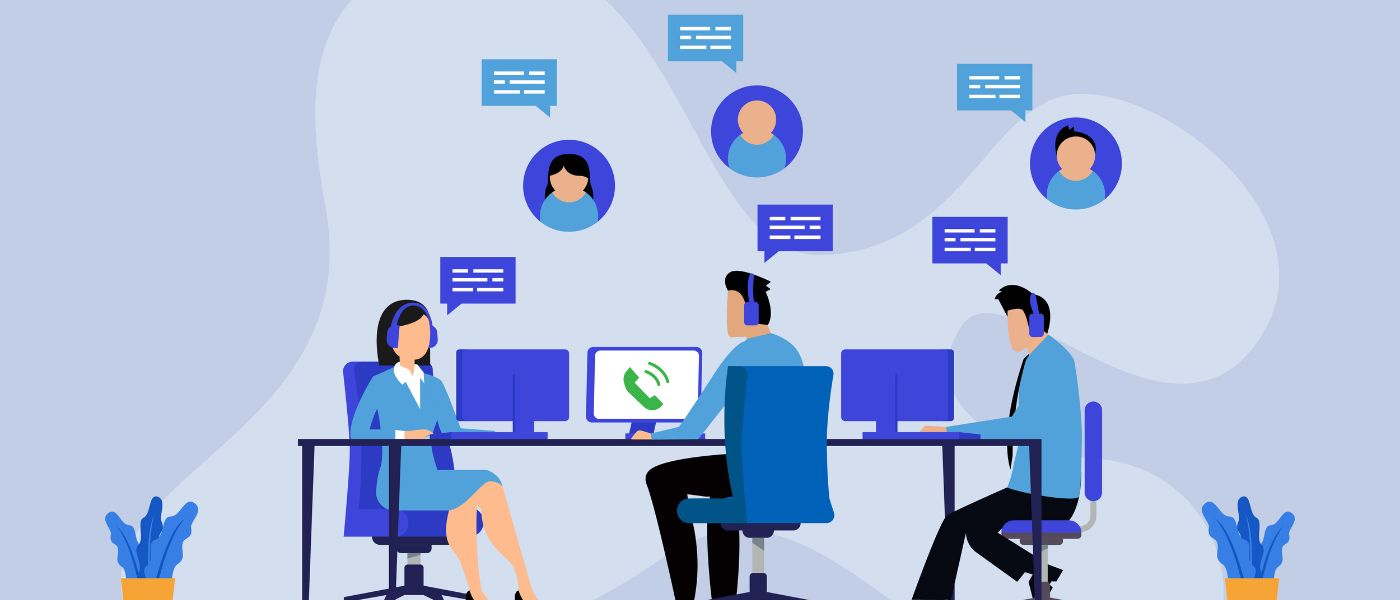
Modern business IT support services have evolved far beyond traditional outsourced helpdesks.
Today’s managed providers often support:
- proactive monitoring
- cloud operations
- infrastructure management
- cybersecurity coordination
- endpoint management
- vendor escalation
- remote infrastructure support
- business continuity operations
For enterprises operating globally, this becomes operationally valuable quickly.
Access to Broader Technical Expertise
Managed providers usually maintain specialized teams focused on:
- cloud infrastructure
- cybersecurity
- compliance
- networking
- infrastructure automation
- endpoint security
- cloud operations
This gives enterprises access to broader expertise without continuously expanding internal hiring efforts.
Businesses researching the best IT support solutions often prioritize providers capable of delivering both operational scalability and specialized technical coverage.
Scalable Support Structures
One of the biggest operational advantages of managed IT services is scalability.
Support coverage can expand faster across:
- regions
- offshore teams
- hybrid workforces
- multi-location operations
without restarting recruitment cycles repeatedly.
Proactive Infrastructure Monitoring
Modern managed providers increasingly use:
- AI-driven monitoring
- automated alerts
- predictive maintenance
- infrastructure analytics
- centralized dashboards
This allows enterprises to address issues proactively instead of reacting after downtime occurs.
Managed IT Support vs In-House IT Team
The discussion around managed IT support vs in-house IT team structures is rarely black and white.
The better approach depends heavily on:
- infrastructure complexity
- support demand
- geographic distribution
- compliance obligations
- growth plans
- operational maturity
Internal IT teams often provide:
- direct governance
- organizational familiarity
- internal alignment
Managed IT providers typically provide:
- scalability
- broader expertise access
- 24/7 operational support
- proactive monitoring
- distributed infrastructure coverage
Increasingly, enterprises adopt hybrid IT support models combining:
- internal strategic governance
- outsourced operational scalability
This approach helps organizations balance control with operational efficiency.
Detailed Comparison Table
| Factor | In-House IT Team | Outsourced Business IT Support Services |
|---|---|---|
| Initial Cost | High hiring and infrastructure setup cost | Lower upfront investment |
| Long-Term Operational Cost | Expensive as teams scale | Predictable service pricing |
| Hiring Speed | Slow recruitment cycles | Faster onboarding |
| Global Coverage | Limited internally | Easier multi-region support |
| 24/7 Support | Requires dedicated shift staffing | Typically integrated |
| Specialized Expertise | Limited internal coverage | Access to broader technical teams |
| Cybersecurity Support | Often fragmented | Structured support models |
| Infrastructure Monitoring | Resource-dependent | Continuous monitoring |
| Scalability | Slower expansion | Faster operational scaling |
| Business Continuity | Internal dependency risk | Distributed support resilience |
| Flexibility | Limited staffing flexibility | Easier scaling adjustments |
| Onboarding Time | Longer internal setup | Faster deployment |
| Operational Efficiency | Can decline during growth | Standardized workflows |
| Uptime Management | Depends on internal maturity | Proactive operational models |
Cost Comparison Between In-House and Outsourced IT Support
Many enterprises initially compare only salary expenses when evaluating support structures.
That comparison is incomplete.
Internal support operations also involve:
- infrastructure tools
- cybersecurity platforms
- training investments
- overtime costs
- monitoring software
- certification budgets
- employee turnover costs
According to Deloitte, enterprises increasingly evaluate IT operating models based on resilience, agility, and operational efficiency rather than staffing cost alone.
The hidden operational cost many businesses overlook is downtime.
Even small delays in:
- infrastructure recovery
- escalation handling
- endpoint remediation
- cloud incident response
can significantly impact business continuity.
Scalability and 24/7 Support Considerations
Scalability is often where internal support structures become operationally strained.
Global enterprises require:
- continuous monitoring
- distributed escalation coverage
- after-hours response
- multilingual support coordination
- infrastructure visibility across regions
Maintaining this internally requires large support teams and significant operational overhead.
This becomes especially difficult for:
- offshore operations
- remote workforce environments
- global capability centers
- cloud-heavy enterprises
Organizations experiencing these challenges often begin recognizing the early signs your business needs professional IT support, particularly when response times, uptime consistency, and onboarding efficiency start declining during expansion.
Managed providers often solve these issues through:
- distributed support operations
- structured workflows
- SLA-driven processes
- proactive monitoring ecosystems
Cybersecurity and Compliance Implications
Cybersecurity responsibilities have expanded significantly for enterprise IT teams.
Modern support operations must coordinate:
- endpoint protection
- identity governance
- compliance reporting
- zero-trust security
- incident response
- cloud security monitoring
According to Microsoft Security, distributed work environments require continuous visibility across cloud infrastructure and endpoint ecosystems.
Many internal teams struggle balancing:
- operational support
- infrastructure maintenance
- security monitoring
- compliance coordination
simultaneously.
This is one reason managed detection and response services continue growing rapidly.
Offshore and Distributed Team Support Challenges
Supporting offshore teams introduces infrastructure complexity that many enterprises underestimate initially.
Common operational issues include:
- onboarding delays
- remote device provisioning challenges
- VPN performance issues
- cloud access coordination
- endpoint governance gaps
- infrastructure visibility limitations
As businesses scale globally, support standardization becomes increasingly difficult across regions.
Enterprises evaluating offshore expansion often begin reviewing critical questions before hiring IT support providers to assess:
- SLA structures
- escalation workflows
- cybersecurity capabilities
- infrastructure monitoring standards
- support scalability
Without proper support coordination, distributed operations quickly become fragmented.
How Outsourced IT Support Improves Operational Efficiency
Operational efficiency improvements usually appear across several areas simultaneously.
Faster Incident Response
Managed support environments often include:
- structured escalation models
- dedicated monitoring systems
- proactive alerting
- shift-based operations
This improves response consistency significantly.
Reduced Internal Workload
Outsourced operational support allows internal teams to focus more on:
- innovation
- infrastructure strategy
- digital transformation
- long-term planning
rather than daily ticket overload.
Better Infrastructure Visibility
Modern providers frequently deliver:
- centralized dashboards
- reporting analytics
- asset tracking
- compliance visibility
- operational monitoring
This improves governance across distributed enterprise infrastructure.
When Enterprises Should Consider Managed IT Services
Enterprises should seriously evaluate managed IT services when they experience:
- rising support ticket volume
- after-hours escalation delays
- infrastructure visibility gaps
- cybersecurity staffing shortages
- onboarding inefficiencies
- distributed workforce expansion
- offshore operational growth
Many organizations ignore the early signs your business needs professional IT support until support inefficiencies begin affecting employee productivity and operational continuity.
This does not necessarily mean replacing internal teams entirely.
In practice, hybrid enterprise support models are increasingly common because they combine:
- internal governance
- external scalability
- broader expertise access
- operational flexibility
Common Mistakes Businesses Make While Choosing IT Support Models
Evaluating Only Cost
The cheapest support model rarely delivers the best operational outcome.
Enterprises must evaluate:
- uptime resilience
- support quality
- response consistency
- infrastructure scalability
- continuity planning
Ignoring Long-Term Growth
Many organizations choose support structures based only on current infrastructure needs.
That approach often fails during:
- global expansion
- cloud migration
- offshore scaling
- distributed workforce growth
Failing to Evaluate Providers Properly
Before choosing a support partner, enterprises should carefully assess critical questions before hiring IT support providers, especially around:
- SLA commitments
- escalation processes
- compliance capabilities
- infrastructure monitoring
- cybersecurity support
- global operational readiness
Poor provider evaluation often creates long-term operational inefficiencies.
Insights on Enterprise IT Scalability
One recurring operational pattern appears across scaling enterprises:
Infrastructure complexity grows faster than operational support maturity.
Initially, internal teams compensate through:
- manual coordination
- extended working hours
- reactive troubleshooting
- fragmented escalation handling
Eventually, those inefficiencies begin affecting:
- employee productivity
- onboarding speed
- infrastructure visibility
- response consistency
- governance alignment
Another overlooked issue is support standardization.
Different offices often develop:
- inconsistent workflows
- regional escalation procedures
- fragmented tooling
- varying documentation standards
Over time, this weakens operational visibility across the enterprise.
Scalable support models require:
- centralized governance
- proactive monitoring
- automation
- standardized workflows
- distributed support readiness
This is why enterprise IT support strategy increasingly overlaps with broader business continuity planning.
Future Trends in Enterprise IT Support
Enterprise support operations continue evolving rapidly.
AI-Driven IT Support
AI-powered infrastructure monitoring now helps identify:
- anomalies
- performance degradation
- security risks
- predictive maintenance requirements
before operational disruptions escalate.
Automation-Led Support Operations
Automation increasingly improves:
- onboarding
- ticket routing
- endpoint configuration
- patch management
- escalation workflows
This reduces operational dependency on manual intervention.
Zero-Trust Security Expansion
Security models are shifting toward:
- identity-based access
- continuous verification
- endpoint-centric governance
- cloud-native security frameworks
Cloud-Native Infrastructure Management
Cloud operations now require advanced expertise around:
- Kubernetes
- multi-cloud visibility
- cloud security posture management
- infrastructure automation
- remote infrastructure governance
According to McKinsey & Company, operational resilience and digital scalability are becoming core enterprise priorities across industries.
Quick Decision Summary
| Business Requirement | Better Fit |
|---|---|
| Strong internal governance | In-house IT |
| Rapid global scalability | Managed IT services |
| 24/7 support coverage | Outsourced support |
| Specialized expertise access | Managed provider |
| Tight organizational alignment | Internal IT team |
| Offshore operational support | Outsourced or hybrid |
| Cost predictability | Managed IT support |
| Innovation-focused IT leadership | Hybrid support model |
FAQ
What is the difference between managed IT support and an in-house IT team?
Managed IT support involves external specialists handling infrastructure support, cybersecurity coordination, monitoring, and operational support services. In-house teams are internally employed staff managing IT directly within the organization.
The primary difference lies in scalability, expertise access, operational flexibility, and support coverage.
Is outsourced IT support suitable for large global enterprises?
Yes.
Many multinational organizations use outsourced IT support for:
- infrastructure management
- cloud operations
- cybersecurity monitoring
- endpoint management
- 24/7 support operations
Large enterprises increasingly adopt hybrid support models that combine internal governance with outsourced operational scalability.
Is in-house IT more secure than outsourced support?
Not necessarily.
Security depends more on:
- governance maturity
- monitoring capability
- compliance practices
- operational processes
- infrastructure visibility
than on whether support is internal or outsourced.
How much can enterprises save with managed IT services?
Savings vary depending on infrastructure complexity and support requirements.
However, enterprises often reduce:
- hiring costs
- overtime expenses
- downtime risks
- infrastructure tooling costs
- training investments
while improving scalability and operational consistency.
When should a company switch to managed IT services?
Businesses should evaluate managed IT support when they experience:
- rising ticket volumes
- delayed response times
- after-hours support gaps
- infrastructure scalability issues
- cybersecurity staffing challenges
- offshore expansion complexity
Can enterprises combine internal IT and outsourced IT support?
Absolutely.
Hybrid enterprise support models are increasingly common because they combine:
- internal strategic oversight
- outsourced scalability
- broader technical expertise
- continuous support availability
This often creates a more resilient operational structure.
Conclusion
The discussion around Business IT Support Services vs. In-House Teams is ultimately about long-term operational sustainability.
Internal IT teams continue providing value through organizational familiarity, governance alignment, and strategic participation. However, as enterprises expand across regions, cloud environments, offshore operations, and hybrid workforce models, maintaining scalable support operations internally becomes significantly more difficult.
Managed IT services help enterprises improve:
- operational scalability
- 24/7 coverage
- infrastructure visibility
- cybersecurity coordination
- uptime consistency
- distributed workforce support
The most effective enterprise support model is rarely about choosing one side entirely.
Increasingly, global organizations are building hybrid support ecosystems that combine:
- internal governance
- outsourced operational scalability
- specialized technical expertise
- proactive infrastructure management
For CIOs, CTOs, and infrastructure leaders, the decision should focus less on ownership alone and more on resilience, continuity, scalability, and operational maturity.
As enterprise infrastructure continues evolving, scalable IT support operations will become a competitive advantage rather than simply a support function.
Explore our IT Support Services to evaluate scalable enterprise IT support models designed for modern global operations.
Recent Post
Build or Buy AI: A Decision That Keeps Business Goals Ahead of Technology
Build or Buy AI: A Decision That Keeps Business Goals...
Why AI Automation Projects Get Stuck at the Pilot Stage – And What Businesses Should Do Next
Why AI Automation Projects Get Stuck at the Pilot Stage...

iValuePlus Services
iValuePlus is a one-stop solution to address all your needs to access, build and grow your business in the Indian market which is cost-effective & has a huge talent pool. Established in 2019 as a ‘Business Solution provider', our team has delivered successful growth projects in the international market.
Our services include setting up ODC (offshore development center), Staff Augmentation, Talent Acquisition, Digital Marketing, in the IT/ITES domain.